A Fabric Solution to Plastic Pollution: Germany’s Textile Filter Innovation
.webp)
Share Post
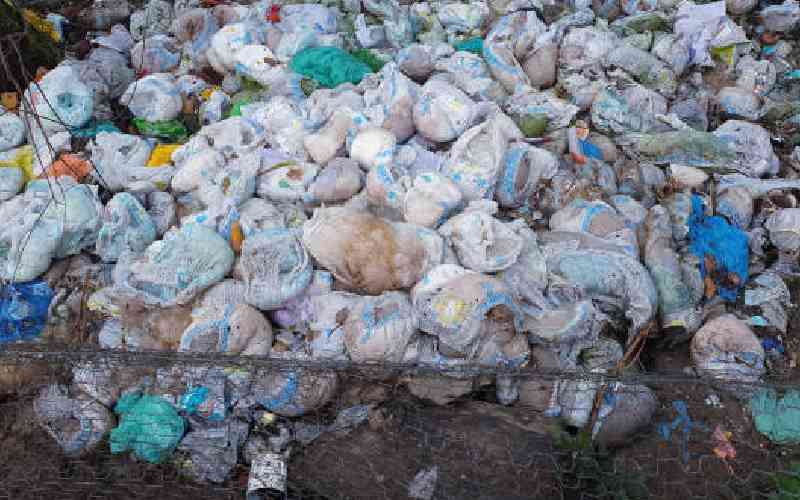
Microplastic pollution from synthetic textiles has become a growing environmental concern, as millions of microscopic fibres are released into wastewater during every wash cycle. These microplastics eventually enter aquatic ecosystems and the food chain, posing potential risks to both environmental and human health. Addressing this challenge, the German Institutes of Textile and Fiber Research Denkendorf (DITF) has developed an innovative textile-based cascade filtration system designed to capture microplastics at the source. Unlike conventional wastewater treatment systems, which can remove up to 99% of microplastics but still allow significant quantities to pass through due to large water volumes, this new solution targets pollution directly during the washing process.
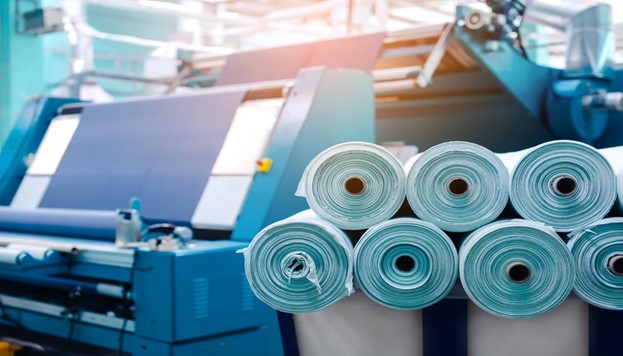
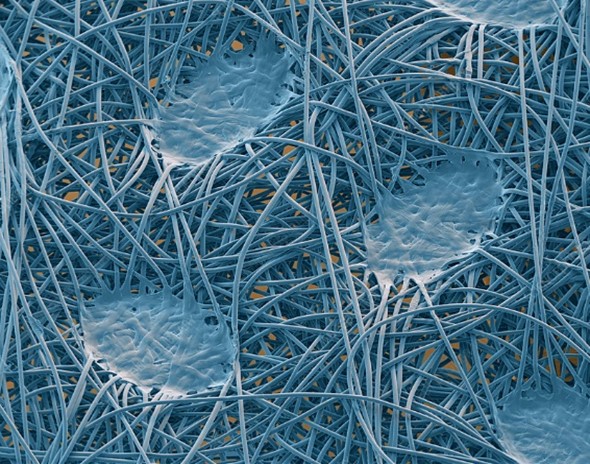
The DITF filter system consists of three filtration stages made from advanced textile composites, including polypropylene fabrics and three-dimensional spacer knits. Each stage is designed with progressively smaller pore sizes, enabling the system to capture microplastic particles as small as 1.5 micrometers. A key feature of the system is its integrated compressed-air backwashing mechanism, which reduces maintenance frequency and extends operational efficiency by up to 155%. Field trials conducted in industrial laundries and wastewater treatment facilities have demonstrated separation efficiencies ranging from 89.7% to 98.5%, confirming its effectiveness in real-world conditions.
In addition to its high performance, the system is cost-effective, space-efficient, and adaptable to various industrial and municipal applications. Its ability to operate at low water pressure further enhances its practicality. As global attention on microplastic pollution intensifies, innovations like this textile-based filter system offer a promising pathway toward cleaner water systems and more sustainable textile usage.
04:00 PM, Apr 16
.webp)
.webp)

Industry Update
1.webp)
1.webp)

1.webp)


1.webp)
1.webp)

1.webp)
1.webp)

1.webp)
1.webp)
1.webp)




1.webp)
1.webp)


1.webp)


1.webp)





1.webp)

1.webp)


1.webp)
1.webp)
1.webp)
.webp)
1.webp)



1.webp)
1.webp)
1.webp)

1.webp)


1.webp)
1.webp)


1.webp)


1.webp)

1.webp)
.webp)


1.webp)

1.webp)


1.webp)


1.webp)
1.webp)
1.webp)


Kolkata Set to Become Textile Sourcing Hub as YARNEX and TEXINDIA Return in January 2026...view more
1.webp)
1.webp)

1.webp)


1.webp)
1.webp)

1.webp)
1.webp)
1.webp)


1.webp)


1.webp)


1.webp)


1.webp)


1.webp)


1.webp)

1.webp)


1.webp)

1.webp)
1.webp)
1.webp)

1.webp)
.webp)

1.webp)

1.webp)






1.webp)









1.webp)

1.webp)



Carrington Textiles Introduces Defence Stock Range for Faster Access to Military Fabrics...view more


1.webp)
1.webp)


_large1.jpeg)











.png)


.jpg)











1.jpeg)