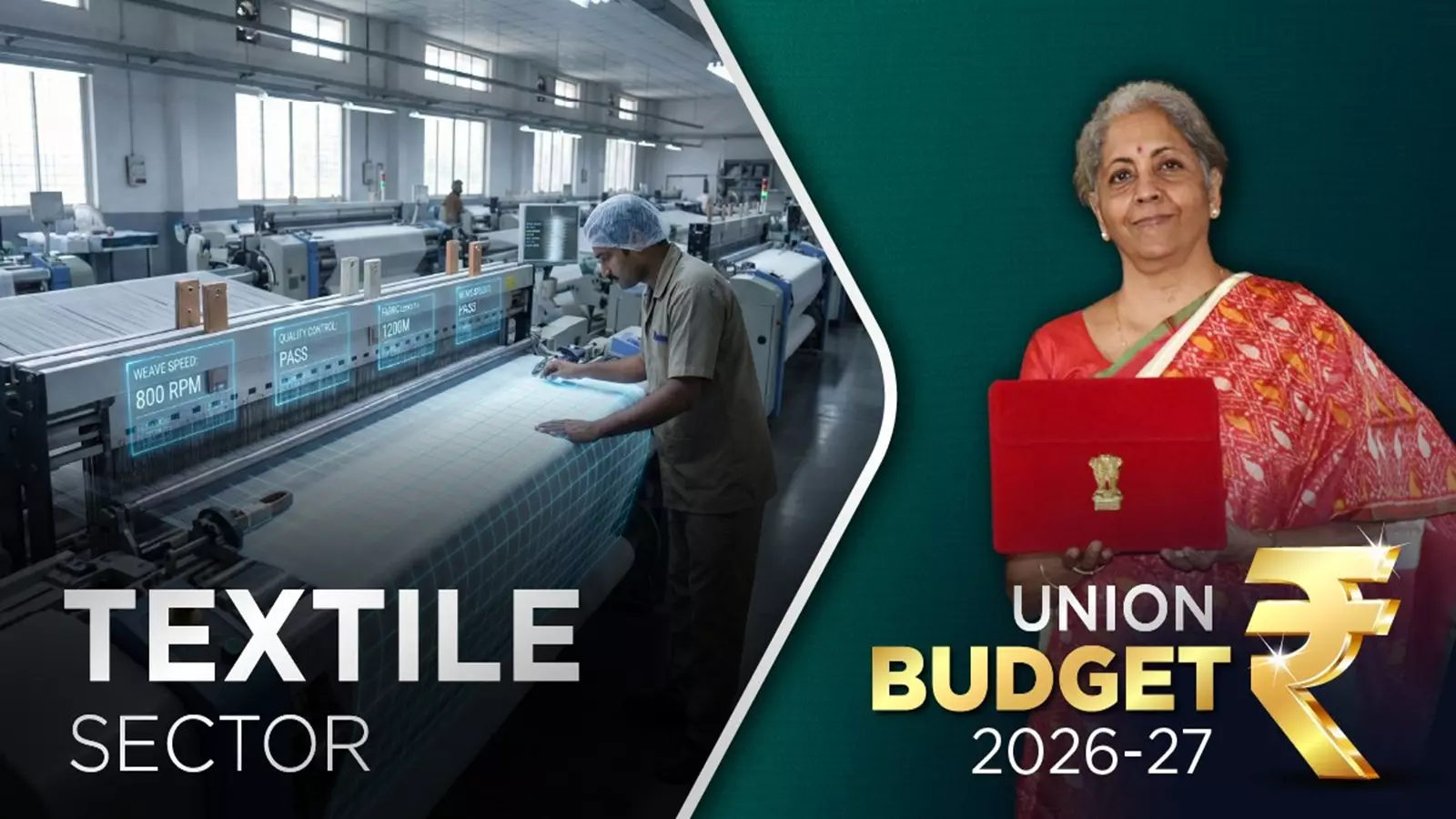
Union Budget 2026: Giriraj Singh Hails ‘Viksit Bharat Budget’ Driving Textile Growth
Share Post
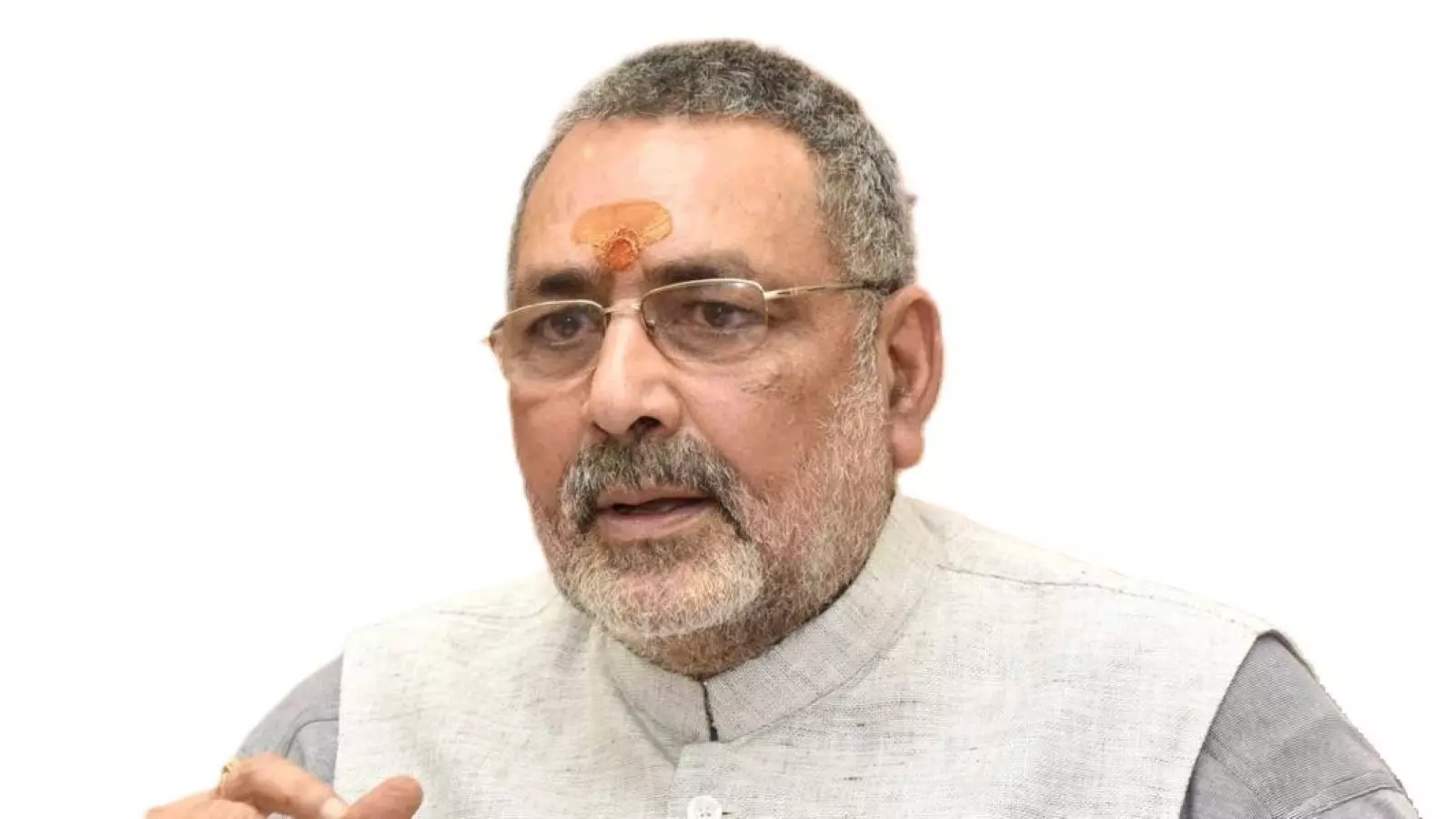
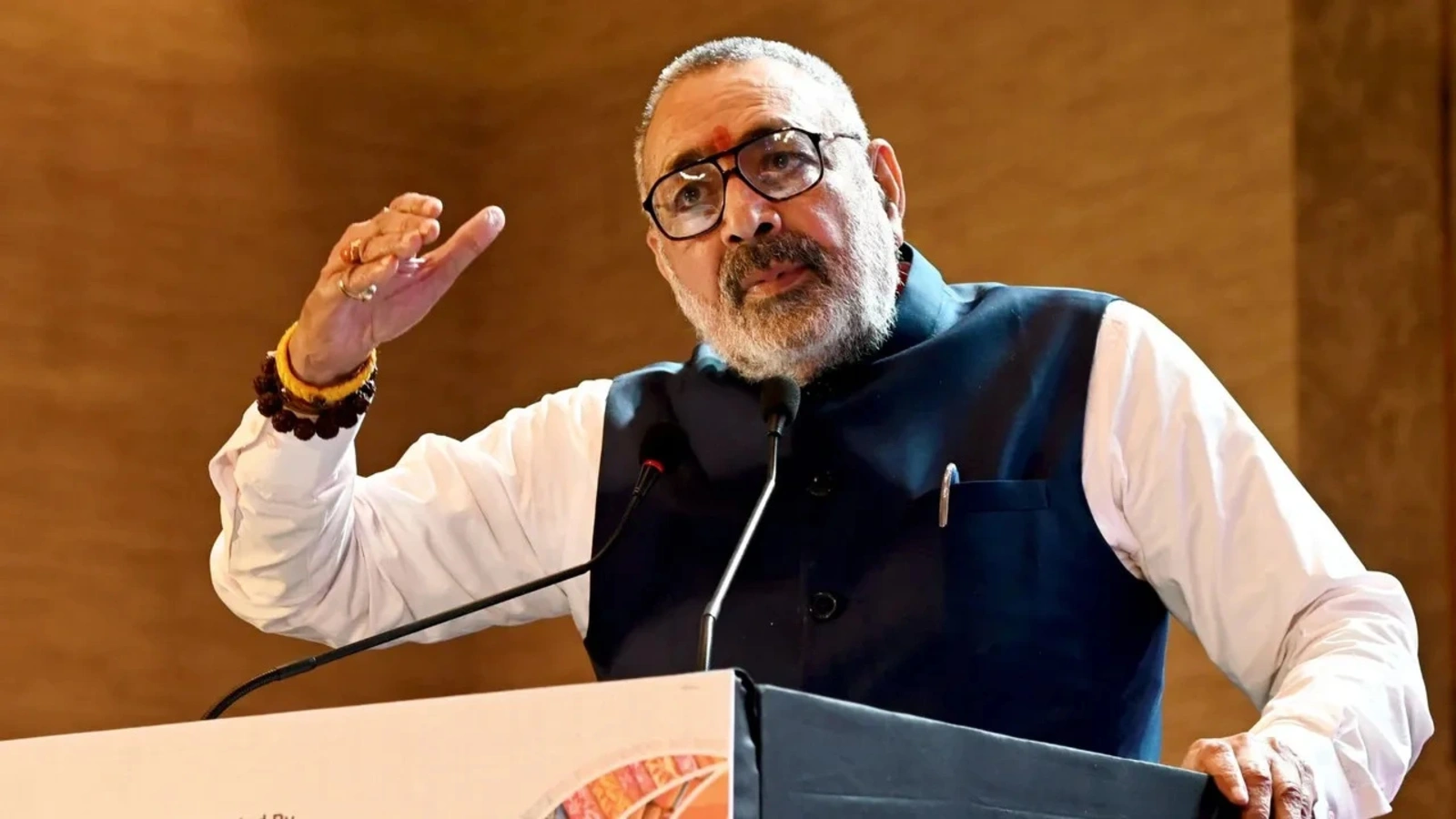
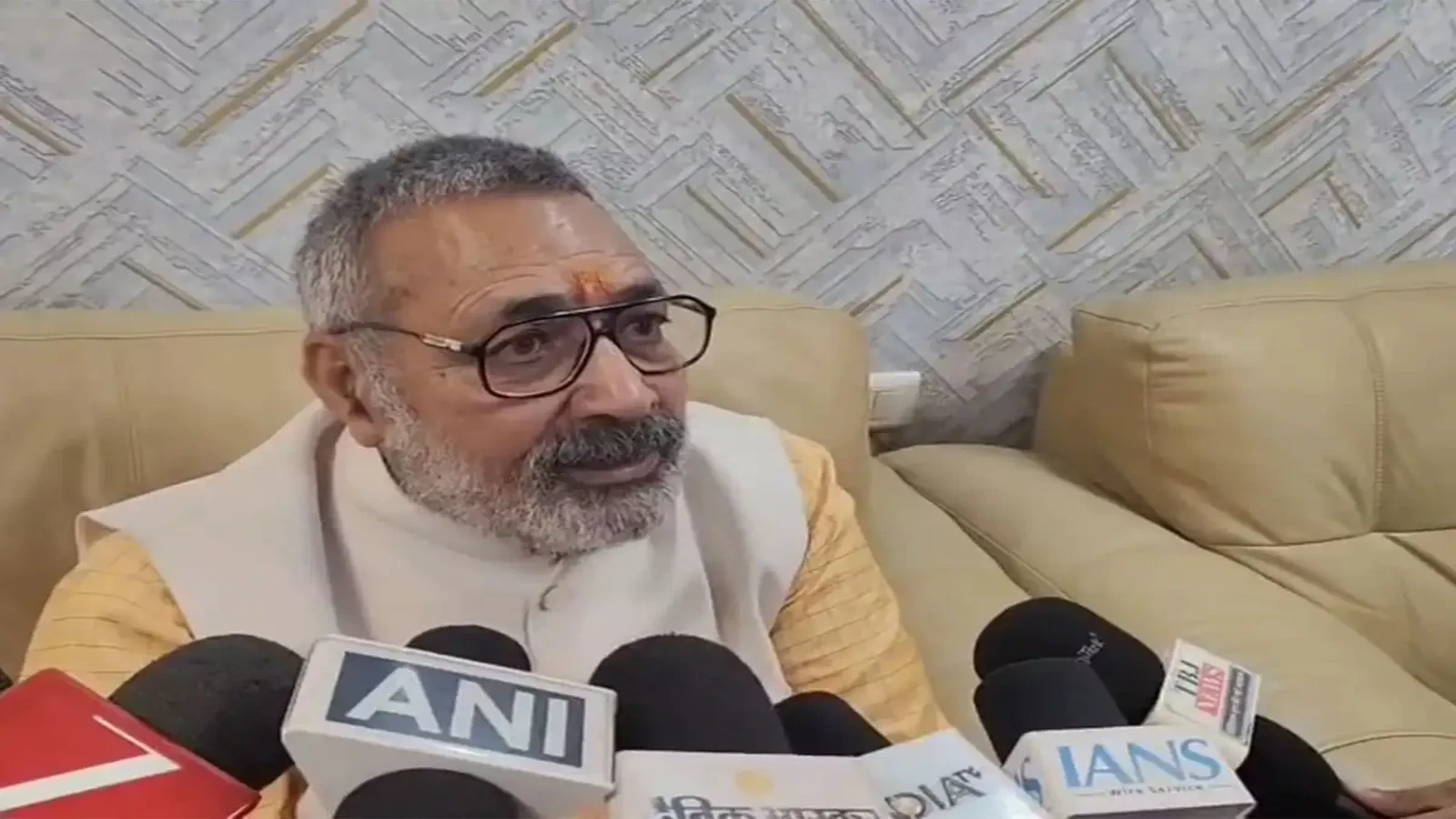
Union Textile Minister Giriraj Singh has praised the Union Budget 2026–27 as a transformative and forward-looking policy that strengthens India’s textile industry and accelerates its path toward becoming a global economic force. In a message shared on LinkedIn under hashtags such as #ViksitBharatBudget, #Textiles, and #Budget2026, the minister expressed gratitude to Prime Minister Narendra Modi and Finance Minister Nirmala Sitharaman for laying out a strong roadmap for sustainable growth, employment creation, and global competitiveness in the textile sector.
The minister noted that the budget’s focus on integrated development—from farm to fibre to finished textile products—will benefit all segments of the industry, including manufacturing, traditional crafts, and technical innovation. The government’s vision aims to expand India’s manufacturing base while ensuring that the textile ecosystem supports both the workforce and entrepreneurs across urban and rural regions.
Key Highlights from Giriraj Singh’s Budget Commentary
According to Singh, several major initiatives and schemes outlined in the Budget 2026–27 are expected to provide a robust foundation for the textile industry’s long-term development:
1. National Fibre Scheme:The new scheme aims to strengthen self-reliance across all types of textile fibres—natural, man-made and advanced industrial fibres—ensuring stability in raw material supply and reducing dependence on imports.
2. SAMARTH 2.0:This upgraded skilling initiative focuses on modernising the textile workforce by encouraging collaboration between industry and academia. The goal is to equip workers—especially youths—with future-ready skills in technology, design, production and quality management.
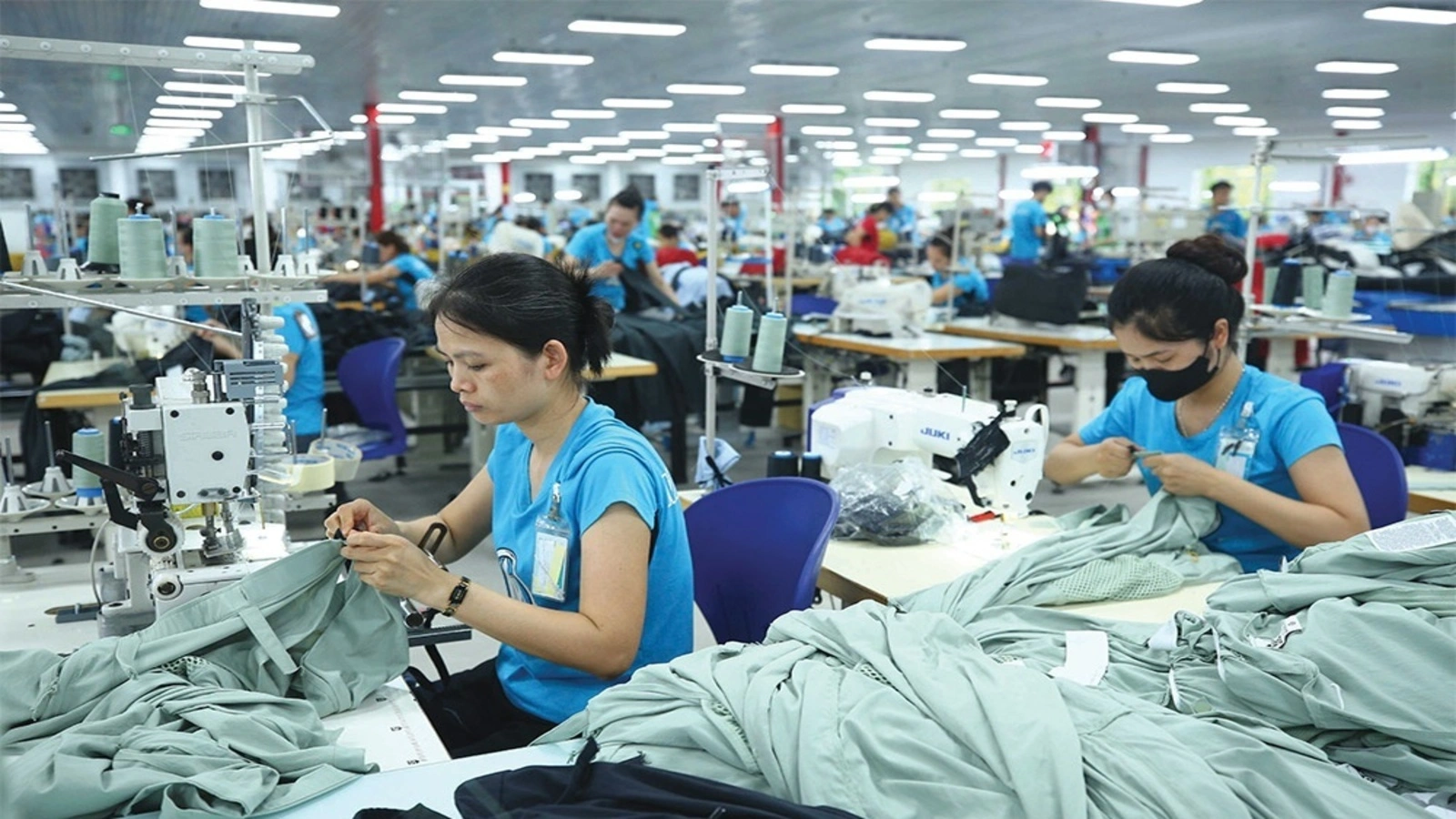
3. Mega Textile Parks and Cluster Modernisation:The Budget proposes new Mega Textile Parks and increased support for cluster modernisation. These initiatives will help traditional textile hubs adopt advanced machinery, enhance infrastructure, and improve quality control, boosting productivity and employment.
4. Handloom & Handicraft Support:Targeted schemes have been introduced to support weavers, artisans and cottage industry units, strengthening traditional craft communities while making them more competitive in national and international markets.
Impact on the Textile Ecosystem
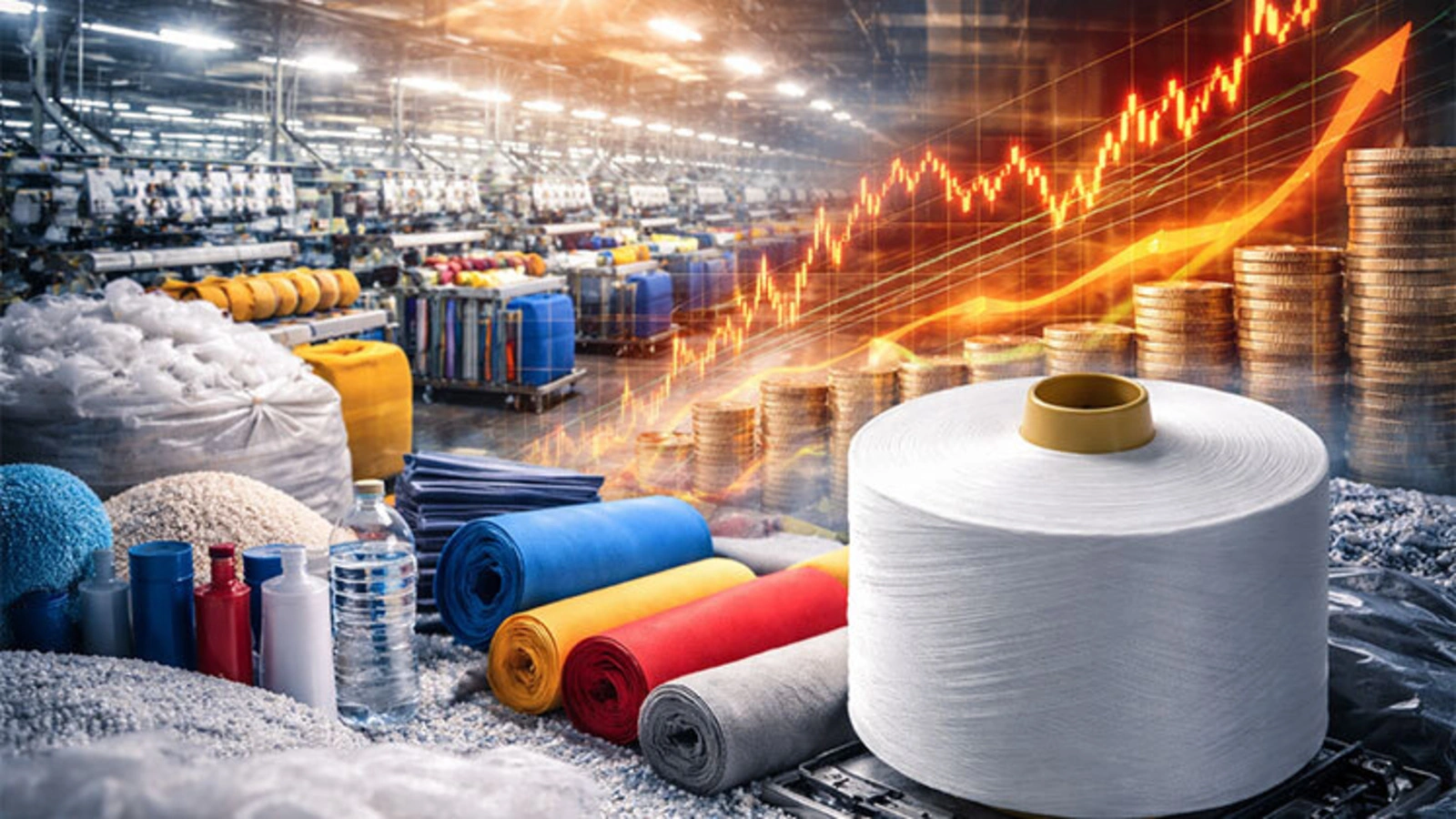
Industry observers say the Budget measures could help the Indian textile industry become more resilient and globally competitive in the long term. The focus on value addition, sustainability, technology upgrades and skill development is expected to improve export performance and generate significant employment across the sector.
Singh’s LinkedIn post also highlights that these policies align with the government’s broader vision of building a self-reliant (“Aatmanirbhar Bharat”) economy while fostering inclusive growth that benefits small, medium and large stakeholders alike.
Overall, the Union Budget 2026–27 has been welcomed by policymakers and textile industry leaders as a comprehensive strategy that positions India’s textile sector for sustainable growth and global leadership in the years ahead.
11:53 AM, Feb 02
.webp)
.webp)

Industry Update
1.webp)
1.webp)


1.webp)


1.webp)





1.webp)

1.webp)
1.webp)
1.webp)
1.webp)
.webp)
1.webp)



1.webp)
1.webp)
1.webp)

1.webp)


1.webp)
1.webp)



1.webp)


1.webp)
1.webp)
.webp)


1.webp)

1.webp)


1.webp)


1.webp)
1.webp)
1.webp)


Kolkata Set to Become Textile Sourcing Hub as YARNEX and TEXINDIA Return in January 2026...view more
1.webp)
1.webp)

1.webp)


1.webp)
1.webp)

1.webp)
1.webp)
1.webp)


1.webp)


1.webp)


1.webp)


1.webp)


1.webp)

1.webp)

1.webp)


1.webp)

1.webp)
1.webp)
1.webp)

1.webp)
.webp)
1.webp)

1.webp)






1.webp)





1.webp)

1.webp)



Carrington Textiles Introduces Defence Stock Range for Faster Access to Military Fabrics...view more


1.webp)
1.webp)


_large1.jpeg)











.png)


.jpg)












1.jpeg)