Lenzing Strengthens Asia’s Nonwovens Market with VEOCEL Lyocell Expansion in Thailand
Share Post
Lenzing Boosts Regional Supply of Eco-Friendly Nonwoven Fibres
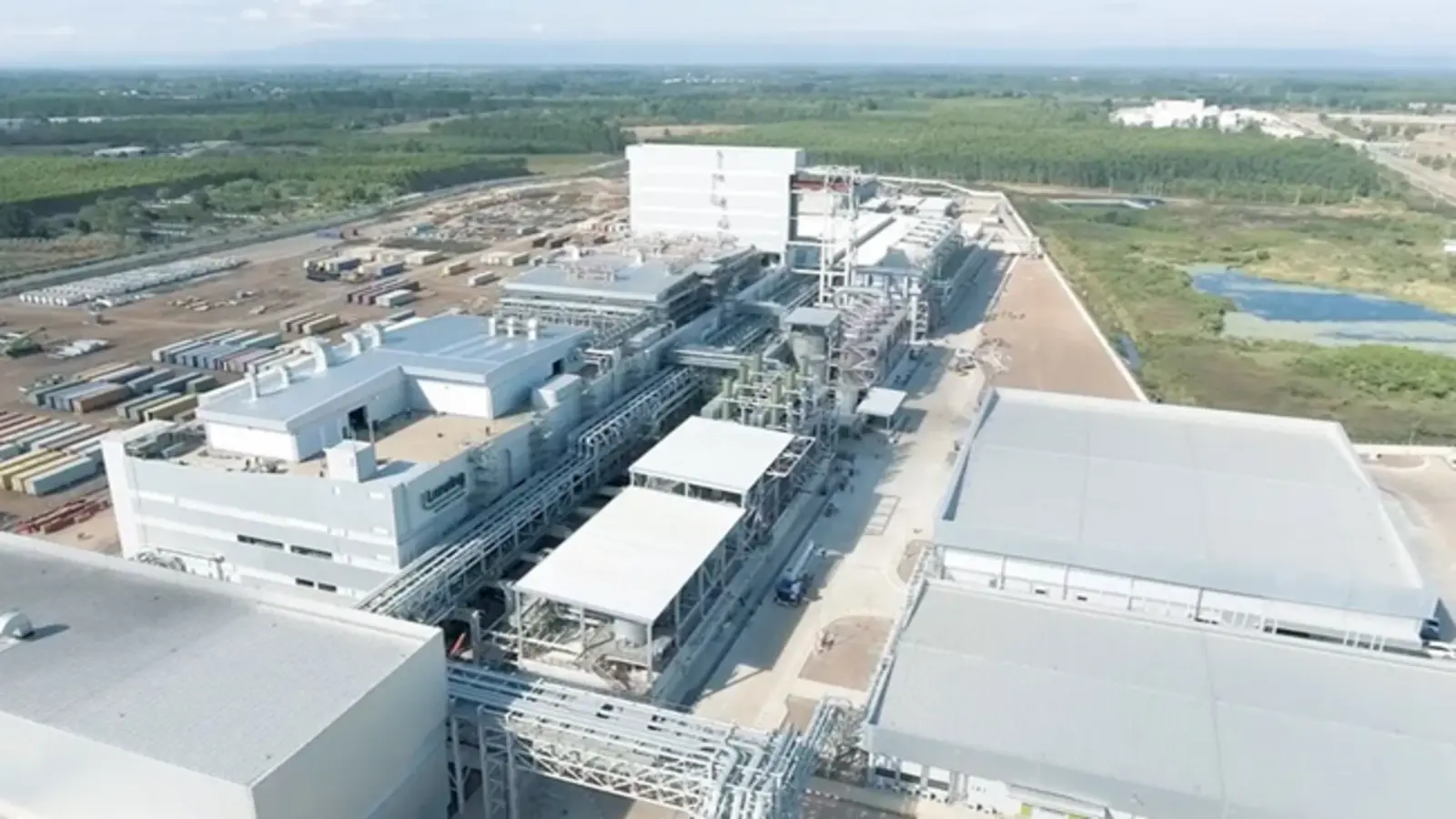
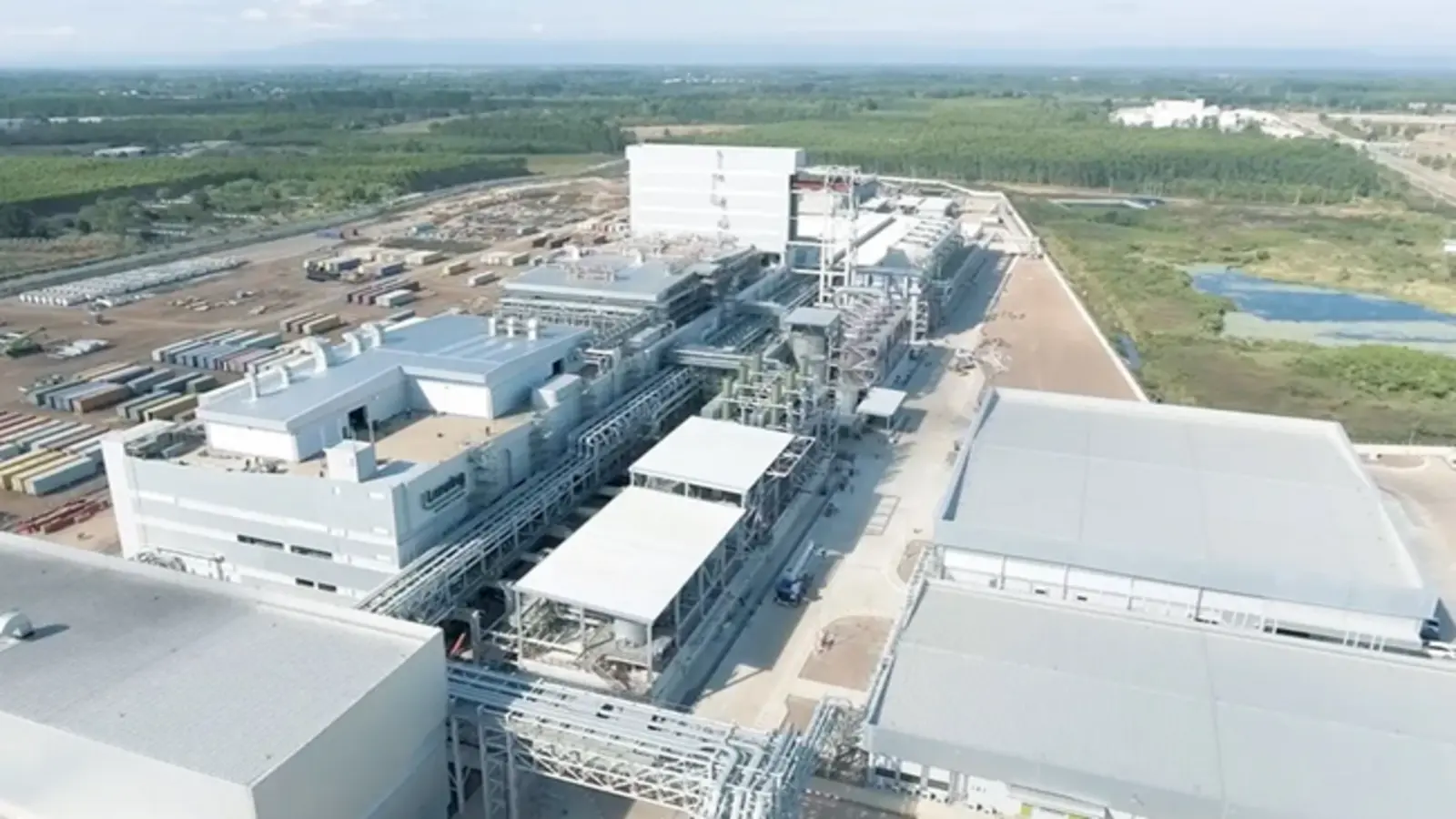
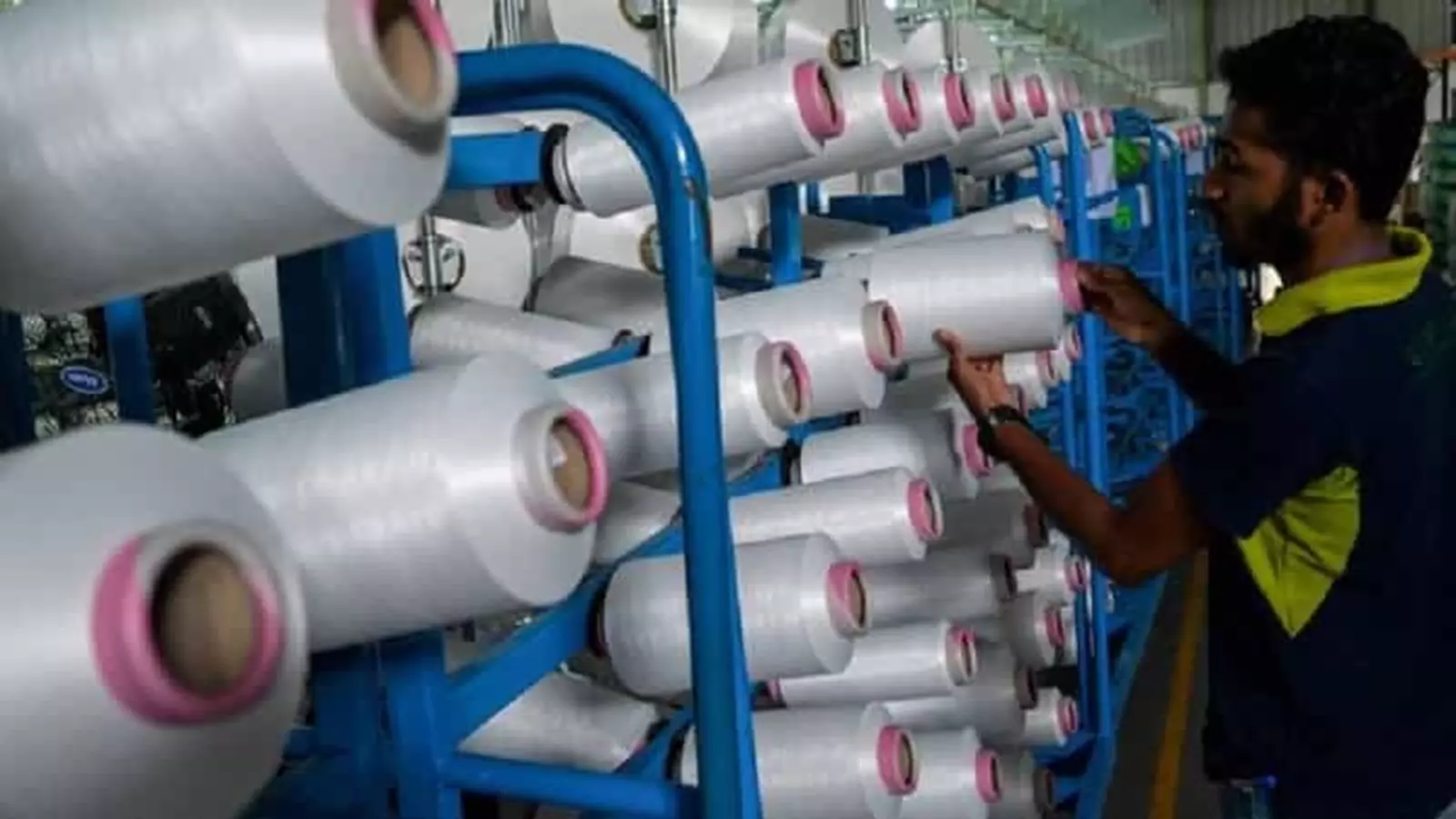
Global fibre manufacturer Lenzing AG has expanded its VEOCEL lyocell fibre production facility in Prachinburi, marking a major milestone in strengthening Asia’s nonwovens supply chain. The plant, originally commissioned in 2022, has an annual production capacity of 100,000 tonnes and represents the first regional manufacturing hub for nonwoven-grade lyocell fibres in Asia.
The expansion is strategically aligned with the rapid growth of the hygiene and wipes sector, where demand for biodegradable and sustainable raw materials is rising sharply. By establishing local production, Lenzing aims to reduce supply delays while supporting regional manufacturers with faster access to sustainable fibres. This move reflects the broader transformation of the nonwovens industry toward environmentally responsible raw materials.
Closed-Loop Production Drives Resource Efficiency
One of the key highlights of VEOCEL lyocell production is its environmentally responsible manufacturing process. The fibres are produced from wood-based raw materials using a closed-loop system that recovers up to 99.8% of the solvents used during production. Key sustainability features of the project include:
- Production of biodegradable cellulosic fibres
- Closed-loop process with 99.8% solvent recovery
- Reduction in fossil-based synthetic fibre use
- Support for hygiene and wipes applications
- Local production to reduce logistics emissions
- Improved supply chain resilience
The Asia-Pacific region currently accounts for over 40% of global nonwovens demand, mainly driven by increasing consumption of personal hygiene and healthcare products. By localizing fibre production, Lenzing aims to support this growing demand with environmentally responsible materials.
Climate Goals and Future Sustainability Targets
The company has also outlined ambitious sustainability targets for the Thailand facility as part of its long-term climate strategy. Future environmental commitments include:
- Achieving 95% biomass energy usage by 2027
- Targeting carbon neutrality by 2030
- Supporting transition to biodegradable fibres
- Strengthening sustainable innovation investments
- Promoting circular fibre production models
These initiatives demonstrate how fibre manufacturers are aligning production strategies with global environmental standards and climate goals.
Driving the Shift toward Biodegradable Nonwovens
Lenzing’s expansion is expected to accelerate the transition of the nonwovens sector from petroleum-based synthetic fibres to sustainable cellulosic alternatives. This is particularly important for disposable hygiene products where environmental impact has become a growing concern. Expected industry benefits include:
- Increased availability of sustainable fibres in Asia
- Reduced dependence on synthetic materials
- Faster supply chain responsiveness
- Support for eco-friendly hygiene products
- Strengthened regional manufacturing ecosystems
- Greater focus on green textile innovation
Industry experts believe that such investments will help reshape the raw material landscape of the nonwovens industry while supporting the development of greener consumer products.
11:49 AM, Apr 02

.webp)
Industry Update


1.webp)
1.webp)


1.webp)


1.webp)





1.webp)

1.webp)


1.webp)
1.webp)
1.webp)
.webp)
1.webp)



1.webp)
1.webp)
1.webp)

1.webp)


1.webp)
1.webp)


1.webp)


1.webp)
1.webp)
.webp)


1.webp)

1.webp)


1.webp)


1.webp)
1.webp)
1.webp)


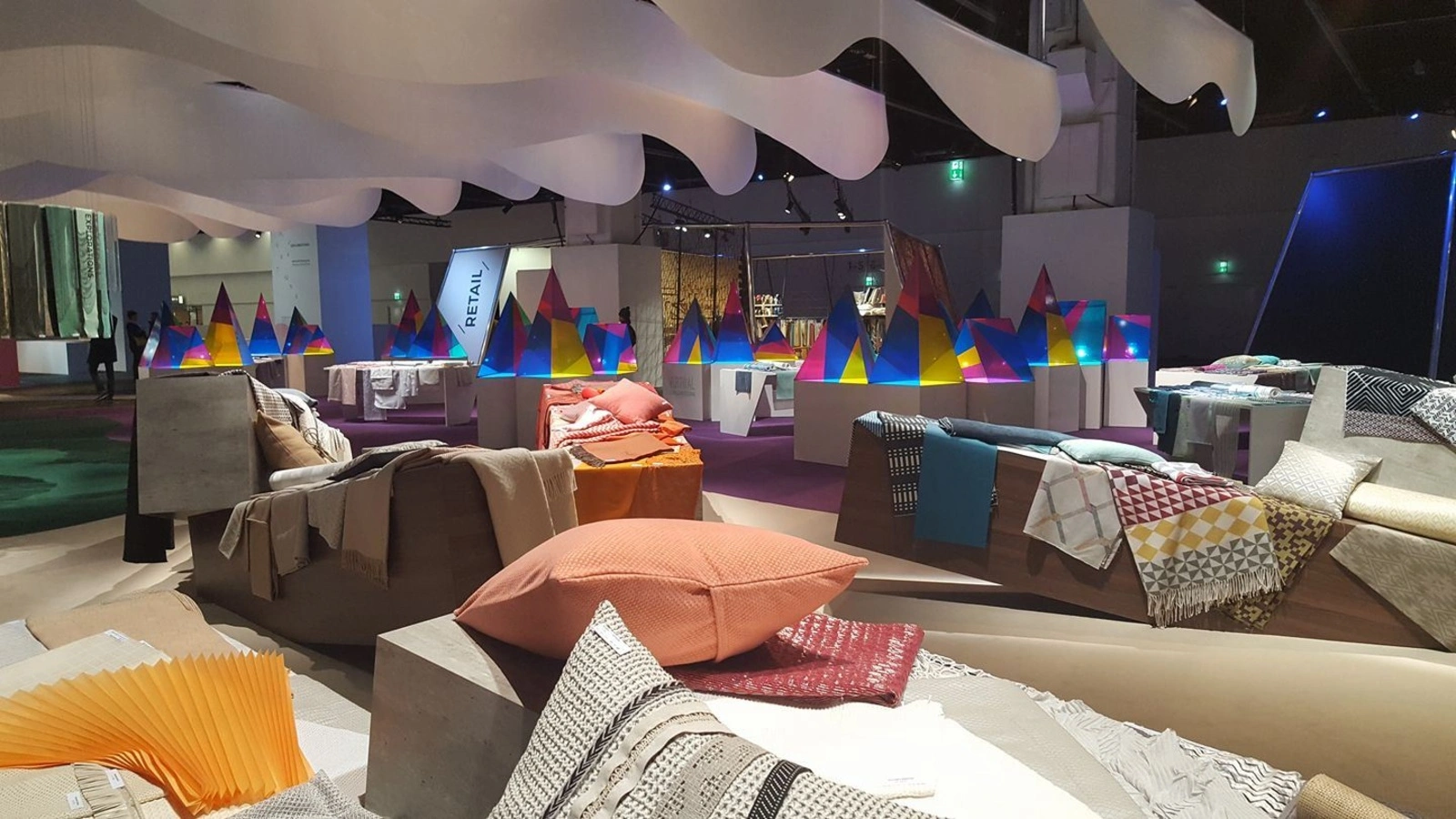
Kolkata Set to Become Textile Sourcing Hub as YARNEX and TEXINDIA Return in January 2026...view more
1.webp)
1.webp)

1.webp)


1.webp)
1.webp)

1.webp)
1.webp)
1.webp)


1.webp)


1.webp)


1.webp)


1.webp)


1.webp)


1.webp)
1.webp)


1.webp)

1.webp)
1.webp)
1.webp)

1.webp)
.webp)
1.webp)

1.webp)




1.webp)








1.webp)

1.webp)



Carrington Textiles Introduces Defence Stock Range for Faster Access to Military Fabrics...view more


1.webp)
1.webp)


_large1.jpeg)










.png)


.jpg)










1.jpeg)