Polyester Chain Rebounds: Rising Feedstock Costs Push PTA, MEG and Melt Prices Up in India

Share Post
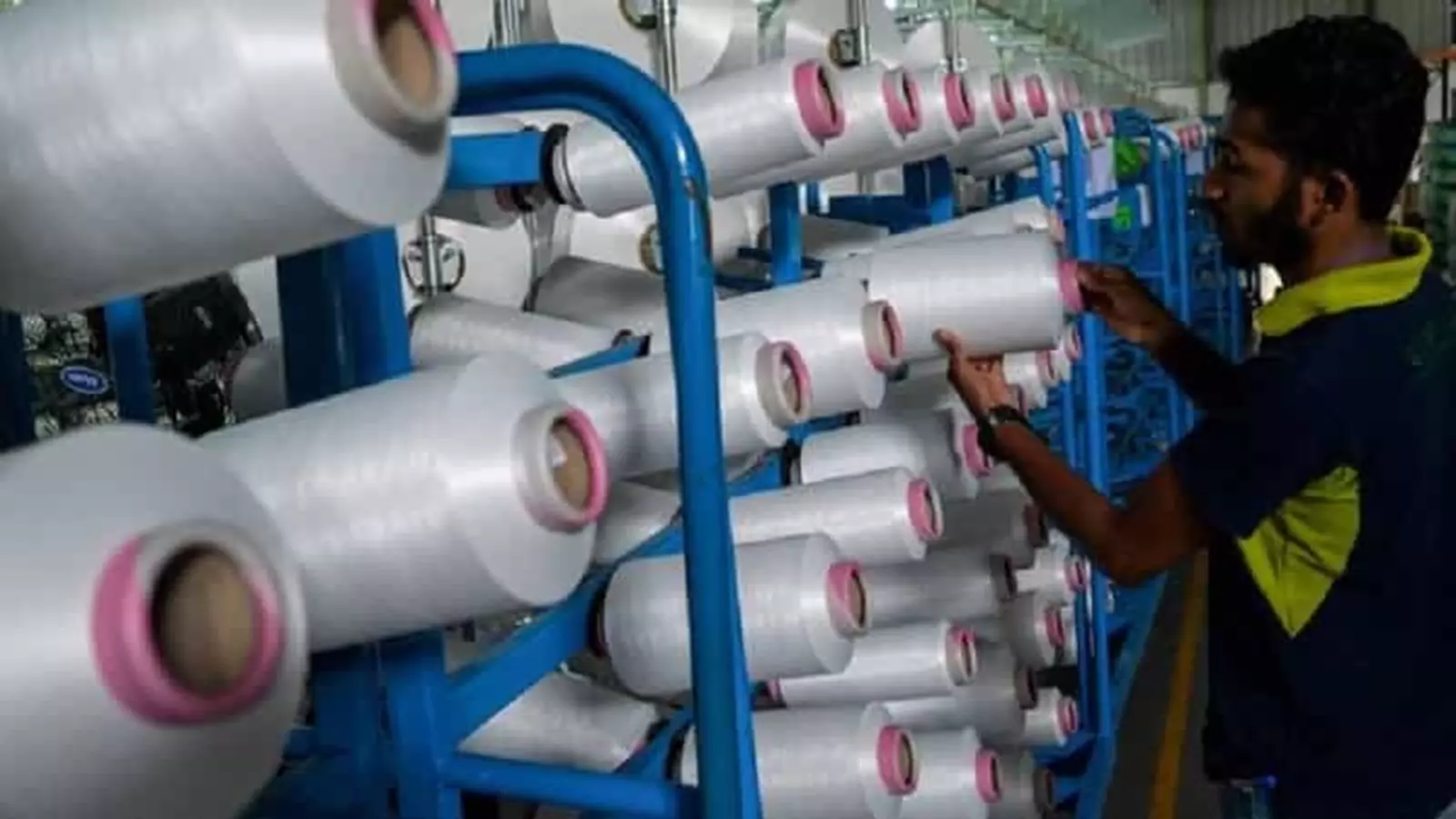
Price fluctuations in polyester raw materials are closely linked to developments in global petrochemical markets, particularly crude oil. Since polyester fibres are derived from petroleum-based feedstocks, any variation in oil prices tends to influence the cost structure of polyester intermediates such as PTA and MEG. This relationship makes the synthetic textile value chain particularly sensitive to global energy market movements.
Short-term price corrections are a common feature in commodity markets, often driven by temporary demand slowdowns or inventory adjustments. However, when upstream costs begin to rise again due to stronger crude prices or supply constraints, polyester raw material prices typically respond quickly. Such recoveries often indicate improved market confidence, even if the overall outlook remains cautious.
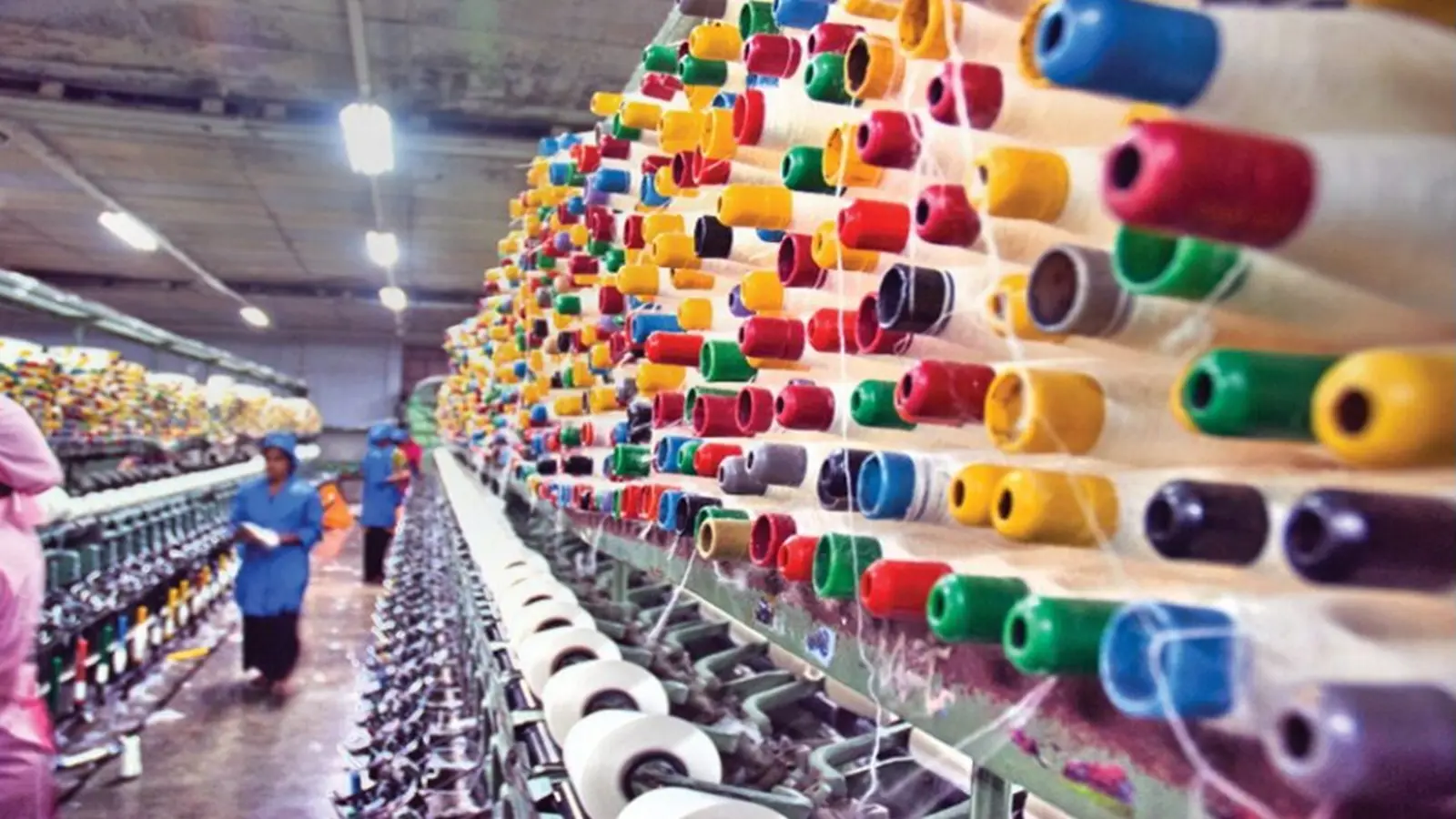
The impact of raw material price increases extends beyond fibre producers to yarn manufacturers, fabric processors and apparel companies. Rising input costs can compress profit margins unless companies are able to pass on price increases to customers. This creates a need for careful pricing strategies and operational efficiency improvements.
Market volatility also highlights the importance of supply chain flexibility. Companies may adopt strategies such as diversified sourcing, inventory optimisation and forward purchasing contracts to manage cost risks. Additionally, the development of recycled polyester and alternative raw materials may provide long-term solutions to reduce dependence on petrochemical price cycles. Overall, the polyester market reflects the broader dynamics of commodity-driven industries, where pricing is influenced by a combination of global demand, feedstock costs and regional production trends. Companies that successfully manage these variables through strategic planning and innovation are more likely to maintain competitiveness in a fluctuating market environment.
03:19 PM, Mar 30
Other Related Topics

.webp)
.webp)

Industry Update


1.webp)
1.webp)


1.webp)


1.webp)





1.webp)

1.webp)

1.webp)
1.webp)
1.webp)
.webp)
1.webp)



1.webp)
1.webp)
1.webp)

1.webp)


1.webp)
1.webp)



1.webp)


1.webp)

1.webp)
.webp)


1.webp)

1.webp)


1.webp)


1.webp)
1.webp)
1.webp)


Kolkata Set to Become Textile Sourcing Hub as YARNEX and TEXINDIA Return in January 2026...view more
1.webp)
1.webp)

1.webp)


1.webp)
1.webp)

1.webp)
1.webp)
1.webp)


1.webp)


1.webp)


1.webp)


1.webp)


1.webp)



1.webp)

1.webp)


1.webp)

1.webp)
1.webp)
1.webp)

1.webp)
.webp)

1.webp)

1.webp)







1.webp)









1.webp)

1.webp)



Carrington Textiles Introduces Defence Stock Range for Faster Access to Military Fabrics...view more


1.webp)
1.webp)


_large1.jpeg)













.png)


.jpg)












1.jpeg)