
Automation in Nonwoven Bags

Share Post
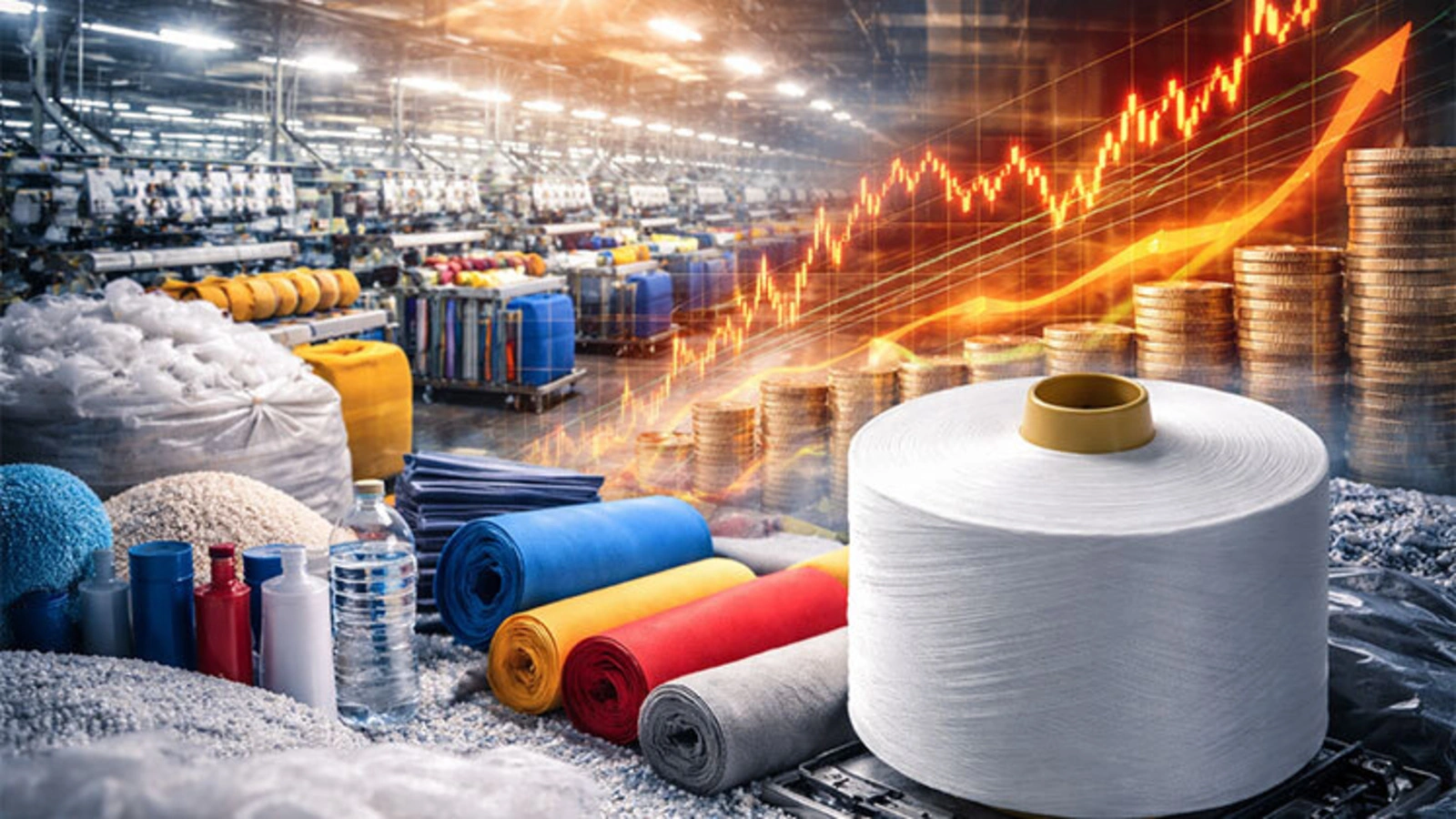
Nonwoven bags, often referred to as eco-friendly alternatives to plastic bags, are manufactured from Fibers bonded together through mechanical, thermal, or chemical means rather than woven or knitted. This unique construction provides strength, flexibility, and versatility qualities that make nonwoven bags ideal for shopping, packaging, and even specialized industrial use. But as the global demand for sustainable packaging skyrockets, the pressure on manufacturers to deliver quality at scale has intensified. This is where automation has stepped in not merely as a tool for efficiency, but as a fundamental force reshaping the very nature of how these bags are conceived, produced, and delivered.

In the early days of nonwoven bag manufacturing, most of the processes were manual or semi-mechanized. Workers handled material cutting, stitching, lamination, and quality inspections with limited machine assistance. While this allowed for flexibility in small batch production, it posed significant limitations. Variability in quality, bottlenecks in production capacity, and high labor costs made it difficult for manufacturers to keep pace with global demand, especially in regions where labor costs were rising.
 Enter automation not a single machine but a spectrum of integrated technologies. Automated cutting systems replaced hand cutting, ensuring precision and minimizing material waste. Robotic arms and programmable sewing machines took over repetitive tasks with consistent accuracy. Conveyor systems synchronized every stage of production, from feeding raw materials to stacking the finished bags. Sensor-driven quality control systems, powered by machine vision, began identifying defects that human eyes might miss. The result was not merely faster production but fundamentally transformed output, quality, and scalability.
It is tempting to imagine automation as replacing human workers with machines. But in the nonwoven bag industry, automation has rarely meant wholesale replacement. Instead, automation and human labor have become complementary forces: machines handle repetitive, precise tasks while human workers manage oversight, maintenance, troubleshooting, and adaptation. This symbiotic relationship has pushed productivity beyond traditional limits, enabling manufacturers to respond swiftly to market trends and customer customization demands.
Why Automation Matters — Speed, Quality, Sustainability
When we speak of automation in nonwoven bags, three core benefits emerge repeatedly: speed, quality, and sustainability. These pillars are deeply interconnected improvements in one amplify advantages in another.
Speed and Capacity: Automated production lines can run continuously, 24/7, with minimal downtime. Machines programmed for specific bag sizes and designs switch between jobs with negligible setup time. In contrast to manual processes that require skilled labor and time-intensive assembly, automated systems can produce thousands of units per hour. For companies competin g on delivery time, this speed is not a luxury but a necessity.
Quality and Consistency: Uniformity is a hallmark of automated manufacturing. From precise heat sealing to exact measurement of materials, automation ensures that each bag meets design specifications with minimal deviations. Machine vision systems inspect seams, detect structural flaws, and reject substandard products before they reach packaging. This level of quality control not only reduces waste but also reinforces brand reputation and reliability.
 Sustainability: Ironically, while automation often evokes images of high-tech factories and energy-intensive machinery, it has significant sustainability benefits. Precise cutting and material handling reduce offcuts and scrap. Automated quality inspection minimizes faulty products that would otherwise be discarded. More efficient production means lower energy per unit produced. And when nonwoven bags themselves are part of a movement away from single-use plastics, automation amplifies their positive environmental impact by making them cheaper, better, and more widely available. Technological Innovations at the Core of Automation:
To understand the depth of automation’s influence, it helps to look at the technologies driving it. Rather than a single breakthrough, the automation of nonwoven bag production rests on the convergence of several innovations:
Computer-Numerical Control (CNC) Cutting Machines: Early automation in textiles began with CNC machines that cut fabric based on digitally programmed designs. For nonwoven materials, these machines deliver precision and speed, minimizing waste and ensuring accurate shapes even for complex bag patterns.
Robot-Assisted Sewing and Welding: Sewing once the most labor-intensive part of bag production has been transformed. Robotic sewing units and ultrasonic welding systems now handle tasks like stitching handles, sealing seams, and affixing labels. Ultrasonic welding, in particular, uses high-frequency vibrations to join materials without thread, creating strong bonds while reducing manual intervention.
Conveyor Integration and Line Synchronization: A production line is only as good as its coordination. Modern systems use programmable logic controllers (PLCs) to synchronize material feed, cutting, handling, sewing, and inspection. These controllers enable different machines to communicate and operate in harmony, reducing bottlenecks and idle time.
 Machine Vision and AI-Driven Inspection: Human inspectors cannot match the speed and precision of machine vision systems equipped with high-resolution cameras and artificial intelligence algorithms. These systems can detect even subtle defects in seams, material density, or print quality, ensuring that only products that meet strict standards reach packaging.
Internet of Things (IoT) and Predictive Maintenance: Automation is not just about making products; it’s about maintaining the machines that make them. IoT sensors embedded in equipment monitor temperature, vibration, runtime, and performance. Predictive maintenance software uses this data to predict failures before they occur, preventing costly downtime and extending machine life.
Software-Driven Customization: One of the biggest shifts automation has enabled is rapid customization. Customers increasingly demand custom sizes, designs, and branding on nonwoven bags. Digitally driven automation means a production line can switch between custom orders with minimal delays something unthinkable in purely manual settings.
No discussion of automation is complete without acknowledging its effect on the workforce. In the nonwoven bag industry, the transition toward automated systems has shifted the nature of employment rather than simply eliminating jobs.
In earlier decades, bag manufacturing required large teams of skilled sewers and assemblers. Today, those roles have diminished in number but expanded in skill. Workers now operate, program, and maintain automated machines. They interpret data from production software, troubleshoot systems, and ensure quality standards are upheld. The demand for technicians, control system engineers, and machine operators with digital fluency has grown.
This shift presents both opportunities and challenges. On one hand, automation creates higher-skill jobs that often command better wages and offer more career development. On the other hand, workers who once relied on manual crafting skills may face skill obsolescence without retraining. Progressive manufacturers invest in training programs, apprenticeship models, and partnerships with technical institutes to equip workers with knowledge in automation systems, robotics, and digital manufacturing.
Overall, automation has not so much replaced human labor in the nonwoven bag industry as it has redefined it. The human role has shifted from manual execution to oversight, innovation, and optimization a change that, when managed well, enhances both productivity and job satisfaction.
Understanding why automation has become so prevalent in nonwoven bag production requires a look at the broader market forces at play.
Global demand for sustainable packaging is surging. Governments and consumers alike have pushed policies and preferences away from single-use plastics and toward reusable alternatives. In many countries, regulations now restrict or tax plastic bags, incentivizing the adoption of reusable nonwoven bags. Retailers, corporations, and even municipalities increasingly procure nonwoven bags in enormous quantities for shopping, promotional events, logistics packaging, and more.
 To meet this demand at competitive prices without sacrificing quality, manufacturers must scale up production quickly and reliably. Manual production methods simply cannot match the volume, precision, and cost-efficiencies enabled by automation. Countries with sophisticated automation capabilities gain a competitive edge in export markets, further intensifying the global push toward high-tech production systems.
Simultaneously, raw materials technologies have advanced. Nonwoven fabrics made from polypropylene, polyester, or biodegradable polymers can be processed more reliably with automated systems. These materials lend themselves to precision cutting, high-speed sewing or welding, and efficient bonding again reinforcing automation as the preferred production path.
Automation has not only increased volume but broadened the creative possibilities of nonwoven bags. Customization once a costly proposition has become accessible even for small orders. Brands can incorporate printed designs, logos, or messages at high speed without disrupting the production flow.
Digital printing, integrated with automated material feed systems, allows for variable data printing meaning each bag could theoretically carry a unique message or design. For marketing campaigns, events, or brand launches, this level of customization is a powerful tool. Automation, in this context, becomes a partner in creativity rather than merely a production engine.
Consumers, accustomed to fast delivery and personalized products in other industries, now expect similar responsiveness in packaging and accessories. Automated nonwoven bag production meets these expectations, enabling companies to offer tailored products without inflated costs or extended lead times.
While the benefits of automation are compelling, the transition is not without challenges.
Capital Investment: Automated systems require significant upfront investment in machinery, software, and infrastructure. Small and medium enterprises may struggle to finance such transitions without access to credit, subsidies, or partnerships. However, as automation technologies mature and modular systems become more affordable, smaller manufacturers are finding entry points into automation that were previously out of reach.
Skill Gaps: The shift toward digital manufacturing demands a workforce equipped with new skills. Training and education systems often lag behind industry needs, creating temporary shortages of technicians and automation specialists. Forward-looking manufacturers invest in internal training programs and collaborate with educational institutions to develop talent pipelines.
Integration Complexity: Implementing automation is not a plug-and-play process. It requires expertise in systems integration, data management, and process engineering. Companies must map their production processes, identify bottlenecks, and design workflows that maximize automation benefits without creating new inefficiencies.
Despite these challenges, the trajectory of automation in nonwoven bag production is unmistakable. As technologies advance and markets continue to expand, automation will become increasingly essential.
The future of nonwoven bag manufacturing lies at the intersection of automation and broader industrial trends especially the principles of Industry 4.0, which emphasize interconnectivity, real-time data, and intelligent systems.
Imagine a factory where machines communicate with each other, predicting maintenance needs, adjusting production parameters on the fly, and responding to real-time demand signals. Sensors embedded throughout the line monitor every parameter from Fiber tension to ambient humidity optimizing quality without human intervention. Production data feeds into cloud-based analytics platforms that inform strategic decisions about inventory, logistics, and customer preferences.
This vision is not science fiction; it is already emerging in advanced manufacturing plants around the world. Nonwoven bag production is especially well-suited for this transition because the materials and processes involved respond well to digital measurement, automated handling, and data-driven control.
More importantly, the emphasis on sustainability aligns with broader goals in environmental stewardship. Automated systems reduce waste and energy use, and facilitate the incorporation of recycled or bio-based materials. This convergence of automation and sustainability resonates with consumers, regulators, and industry alike.
 Nonwoven bags are ubiquitous yet few consumers understand the sophisticated machinery and technology behind each unit. Automation has quietly revolutionized this field, transforming nonwoven bag production from labor-intensive craft to a highly efficient, sustainable, and customizable industry.
Automation has delivered speed without compromise on quality, flexibility without cost inflation, and sustainability without sacrificing performance. It has redefined jobs, challenged traditional manufacturing paradigms, and opened new horizons for innovation. As global markets continue to evolve, automation will remain at the heart of nonwoven bag production an invisible yet indispensable force enabling industries to meet the needs of a world hungry for sustainability, creativity, and efficiency.
01:34 PM, Feb 12

.webp)
.webp)




1.jpg)
1.jpg)


